
Why Valorant Deserves an Arcane-Style TV Series
Valorant's Arcane-style animated series could unlock its fractured multiverse, turning hidden agent lore into an emotional, serialized hit.
Riot Games was once known for a single juggernaut: League of Legends. That game opened countless doors, but the studio's identity has changed dramatically. Valorant now stands beside it as a team-based FPS that blends hero shooter flavor with Counter-Strike-style tactics. The game has been a huge success, and if its growth mirrors League of Legends, it will only get bigger in the years ahead.
Still, Valorant shares one significant flaw with its older sibling: a lack of in-game storytelling tools. There is no campaign, no story mode, and no quest system to explain what is happening in the world. Players must stitch together lore from agent voice lines, map details, and the occasional cinematic. It is a quiet kind of worldbuilding, and sometimes the most interesting parts stay hidden.
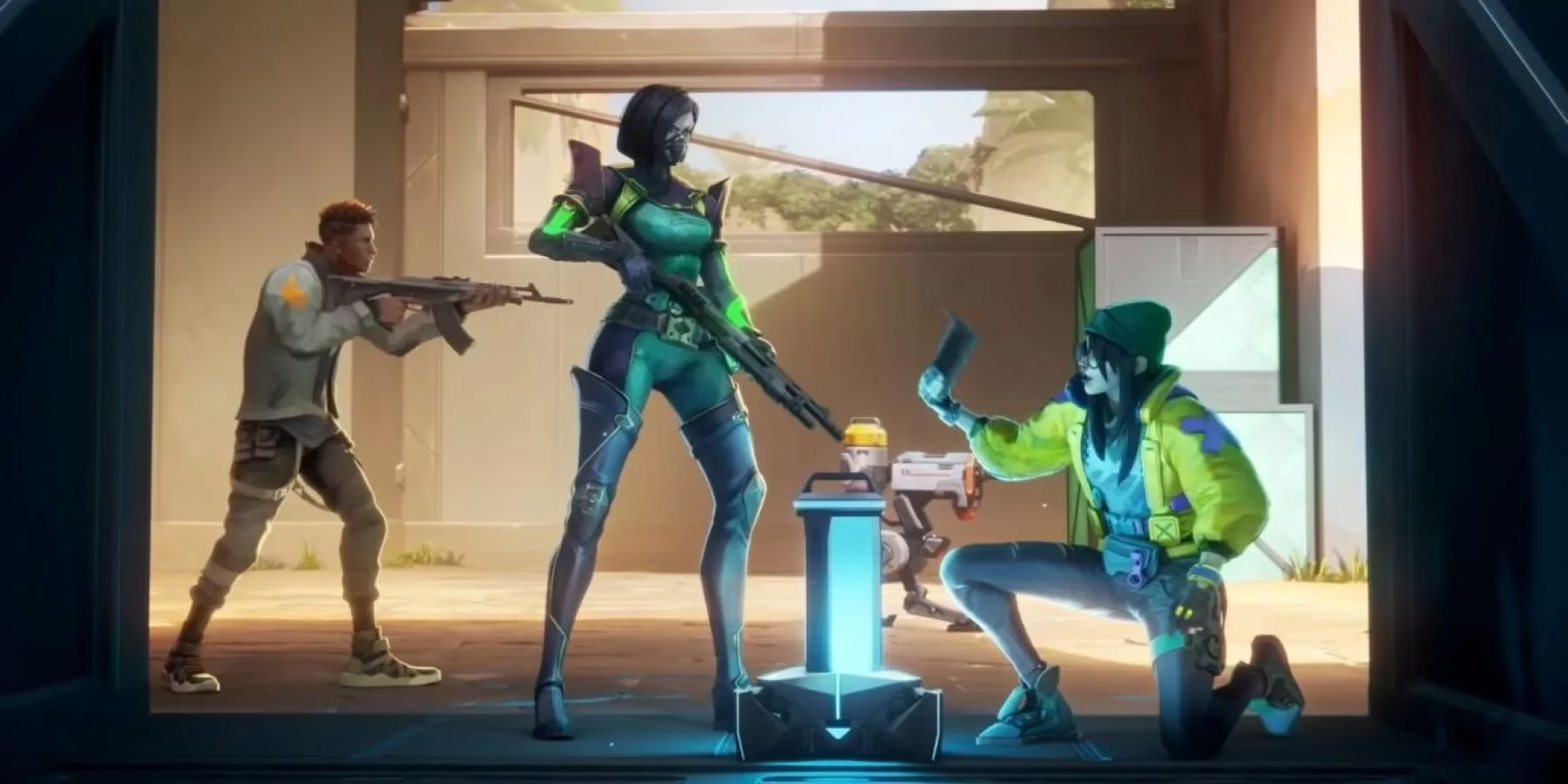
That is exactly where an animated series could step in. League of Legends faced the same problem for years. As a MOBA, it had very few tools to explain its narrative. Champion interactions and rare limited-time events offered only glimpses. Casual fans often had to chase down external short stories just to understand Runeterra. Then Arcane arrived and changed the conversation.
Arcane Flipped the Script
Arcane did more than adapt League of Legends lore. It gave that lore space to breathe. Long conversations, messy relationships, and real consequences turned abstract champion backstories into a living, emotional story. The first season was a critical darling, and Riot quickly ordered a second run. By 2026, the follow-up has only reinforced the lesson: Riot's worlds can carry a show when they are given the right stage.
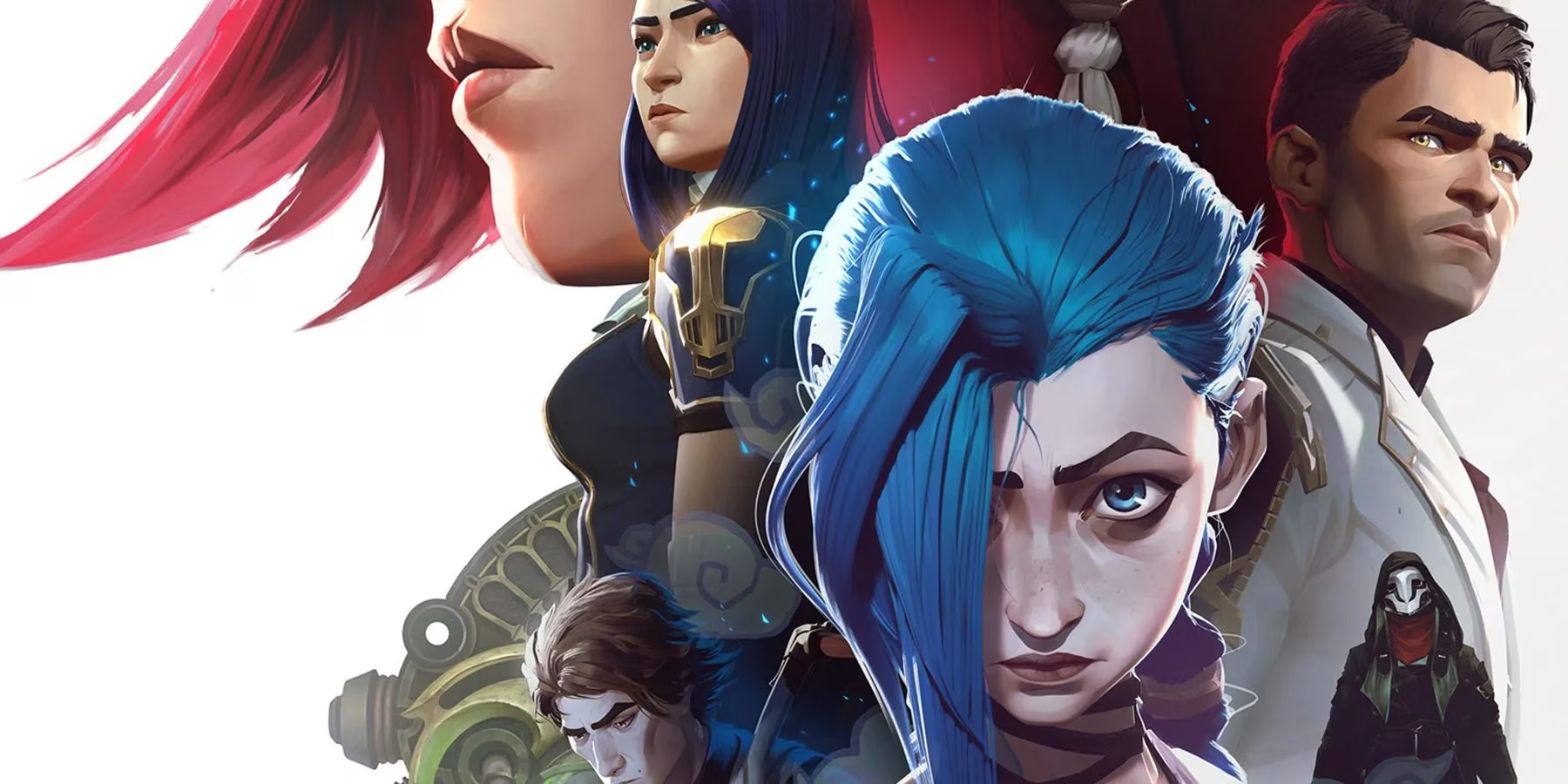
A Valorant TV show feels like the logical next step. The game is nearly a decade younger than League of Legends, which means it has less established lore. But that is not a weakness. It gives writers more freedom to shape the story without being buried under years of contradictory details. Recent lore videos have leaned into parallel universes and mirror worlds, with agents facing alternate versions of themselves. That kind of setup is tailor-made for serialized storytelling.
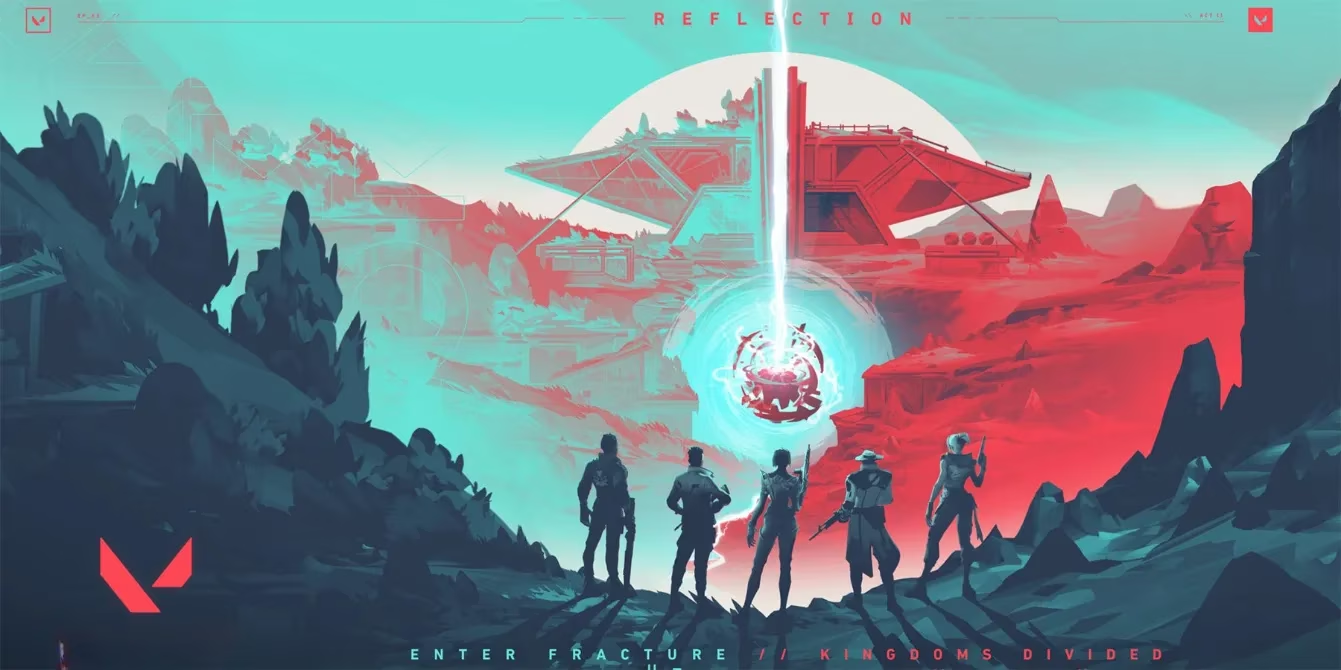
Valorant’s Multiverse Is Waiting
An Arcane-style series could follow a small group of agents as they uncover the cracks between worlds. The show could balance personal stakes with the larger interdimensional conflict that the game only hints at. Would the agents trust each other? Would they fight their own doubles? That tension writes itself.
There are plenty of reasons a Valorant show makes sense in 2026:
-
🎯 Built-in audience – Millions of players already know the agents and their abilities.
-
🌌 Expanding lore – Parallel universes give writers room to surprise even veteran fans.
-
🎬 Proven formula – Arcane showed Riot's animation and storytelling pipeline works.
-
🧩 Narrative gap – A show fills the singleplayer void without changing the competitive shooter.
-
🔥 Fresh IP energy – Valorant is young enough to take creative risks.
Riot has not announced a Valorant series yet, but the pieces are all on the table. The company has already pushed beyond League of Legends with its entertainment ambitions, and Valorant remains one of its strongest franchises. A show would be a no-brainer, plain and simple. The ball is in Riot's court.
Valorant does not need a story mode to be a great game. But if Riot wants players to care about the faces behind the abilities the way they care about Jinx and Vi, a TV series is the strongest move available. Arcane proved the template works. Valorant just needs its chance to step through the portal.
Valorant remains available on PC and has since expanded to consoles.