
The 2021 Accessibility All-Stars That Still Deserve A Victory Lap
Accessible options and difficulty settings let players tune challenge without shame—Guardians of the Galaxy sliders to Dodgeball Academia.
One of the coolest trends that sneaked into more games in 2021 than in years prior was accessible options. Not colorblind modes—those deserve their own standing ovation. Accessible options mean menu features that roll out the red carpet for casual players, younger gamers, and anyone who would rather enjoy a good story than get stomped by a boss for three hours. It is the gaming equivalent of a friendly bouncer who waves you past the velvet rope.
Fast-forward to 2026, and these menu heroes still hold up as brilliant examples of letting players tune the difficulty without shame.
Marvel’s Guardians of the Galaxy
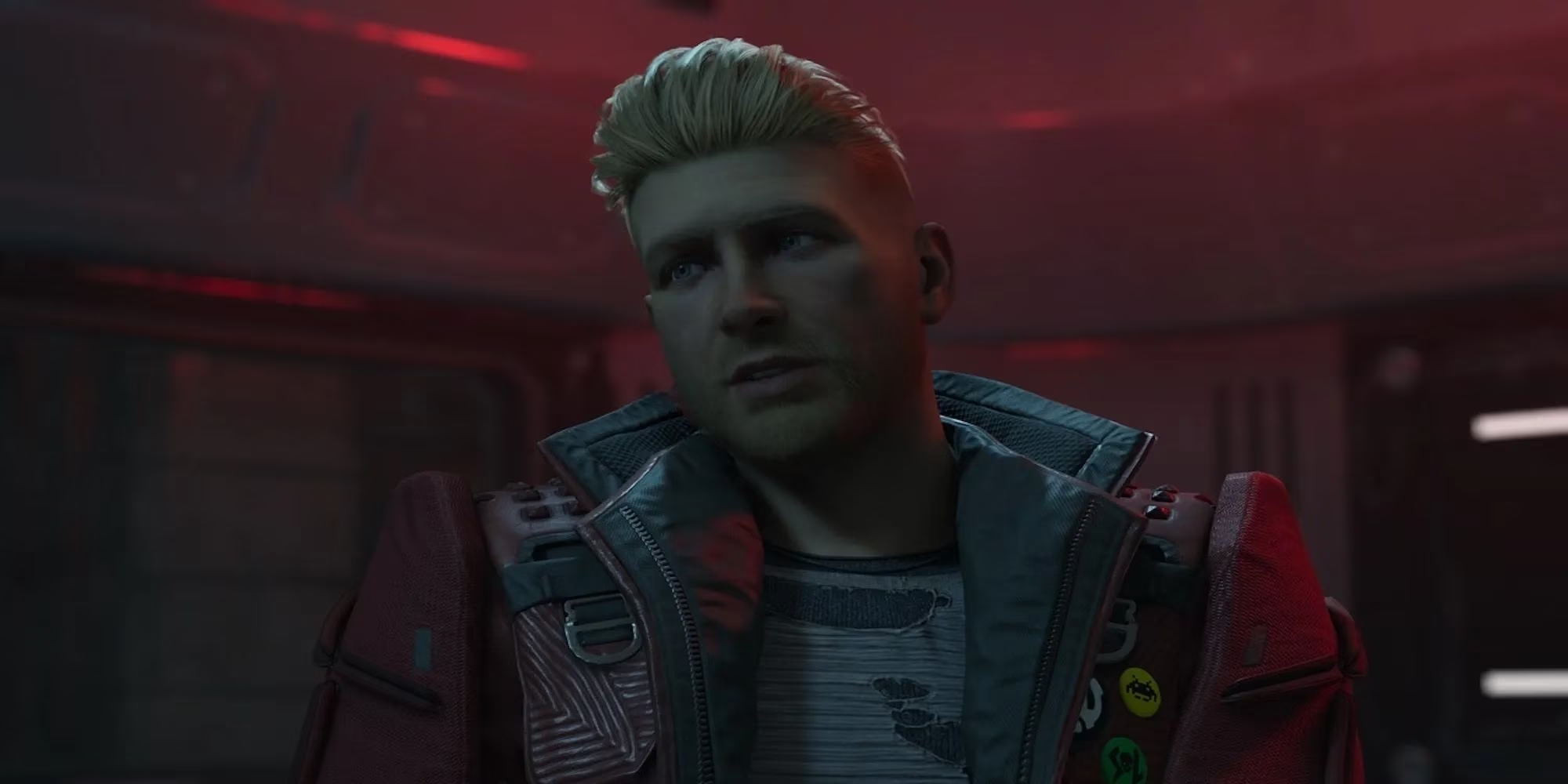
The sliding scales in Marvel’s Guardians of the Galaxy are basically a custom sandwich bar for difficulty. A player can pick a preset and then fiddle with every meter until it tastes just right. Damage taken? Crank it down. Damage dealt? Pump it up. Ability cooldowns? Make them shorter than Star-Lord’s attention span. This meant a Marvel fan could coast through the story like a space-faring tourist, no sweat.
Ruined King: A League of Legends Story
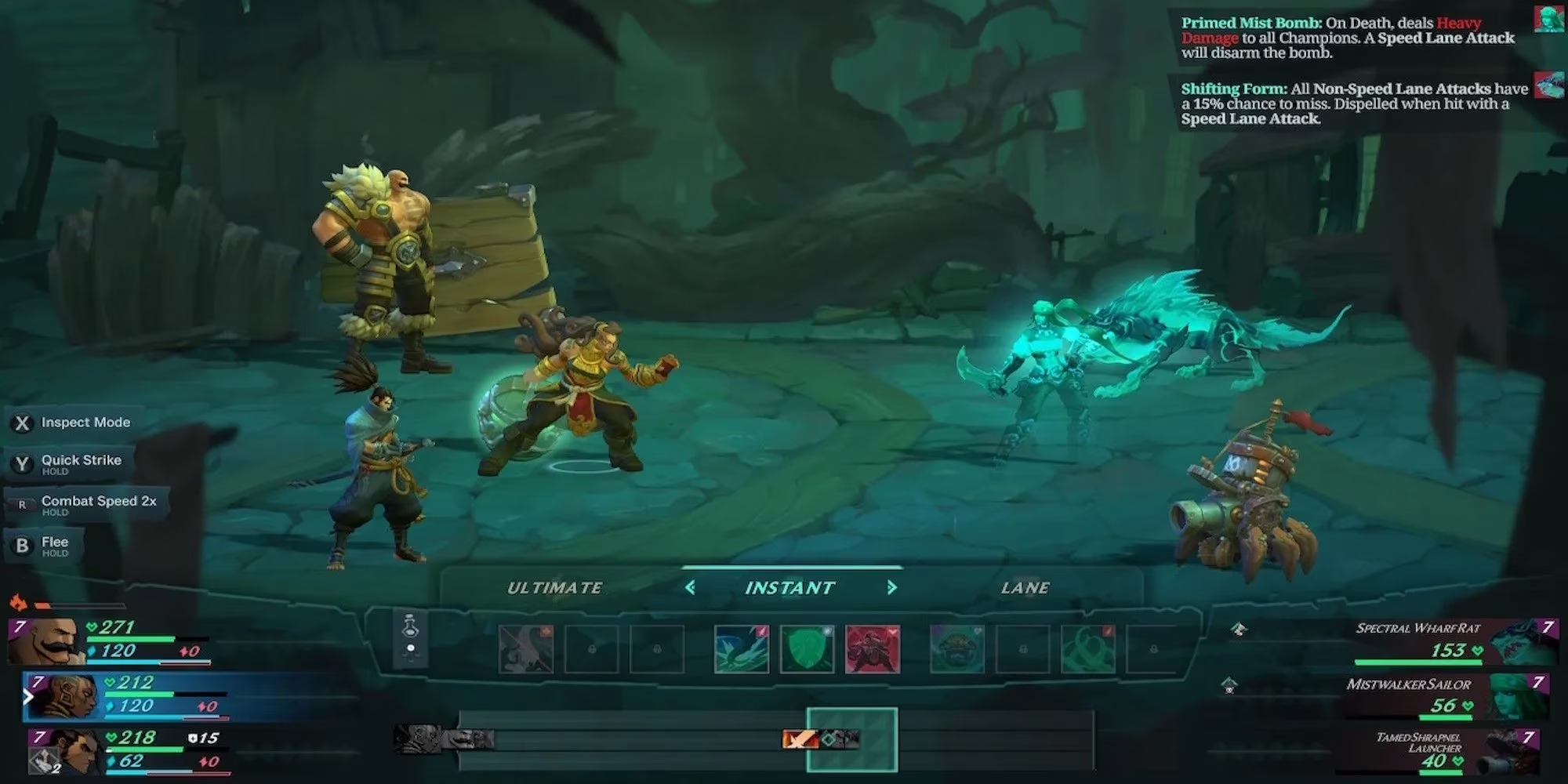
Ruined King doesn’t hand out an invincibility button, but its Story mode is the next best thing. Once a battle starts, the player can politely tell it to take a coffee break and skip the whole encounter. Bosses included. All rewards kept. Let’s be real: that’s not just accessibility, that’s power. It turns a traditional turn-based RPG into a “watch me enjoy the plot” parade.
Shovel Knight Pocket Dungeon
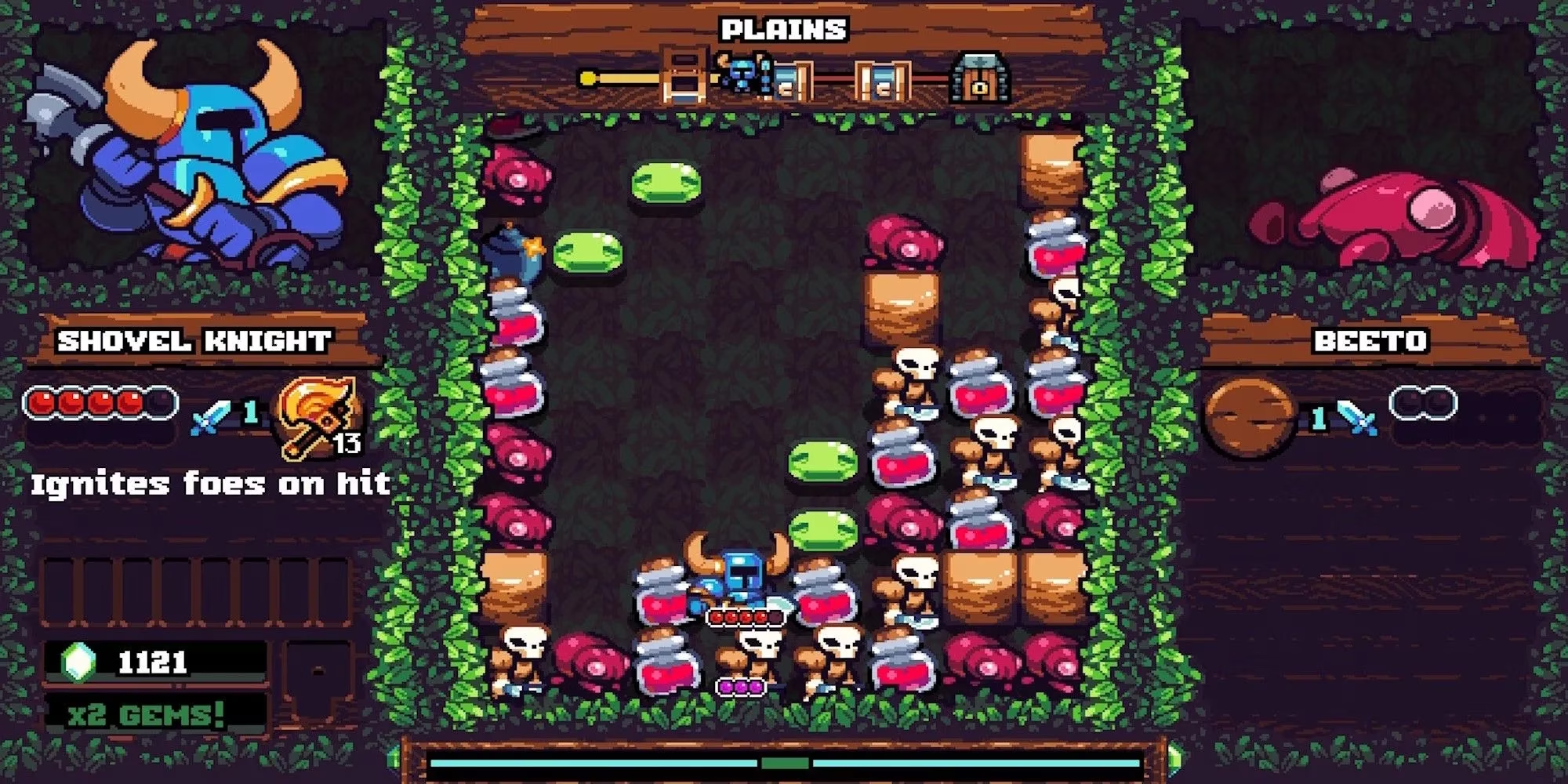
Shovel Knight Pocket Dungeon strolled in at the last second of 2021 with training wheels attached. The default mode is a classic roguelike puzzle where zero hearts means Game Over. But the options allow extra lives, more health, and even tweaks to outgoing damage. It is like giving the grim reaper a pillow to soften the blow.
Axiom Verge 2
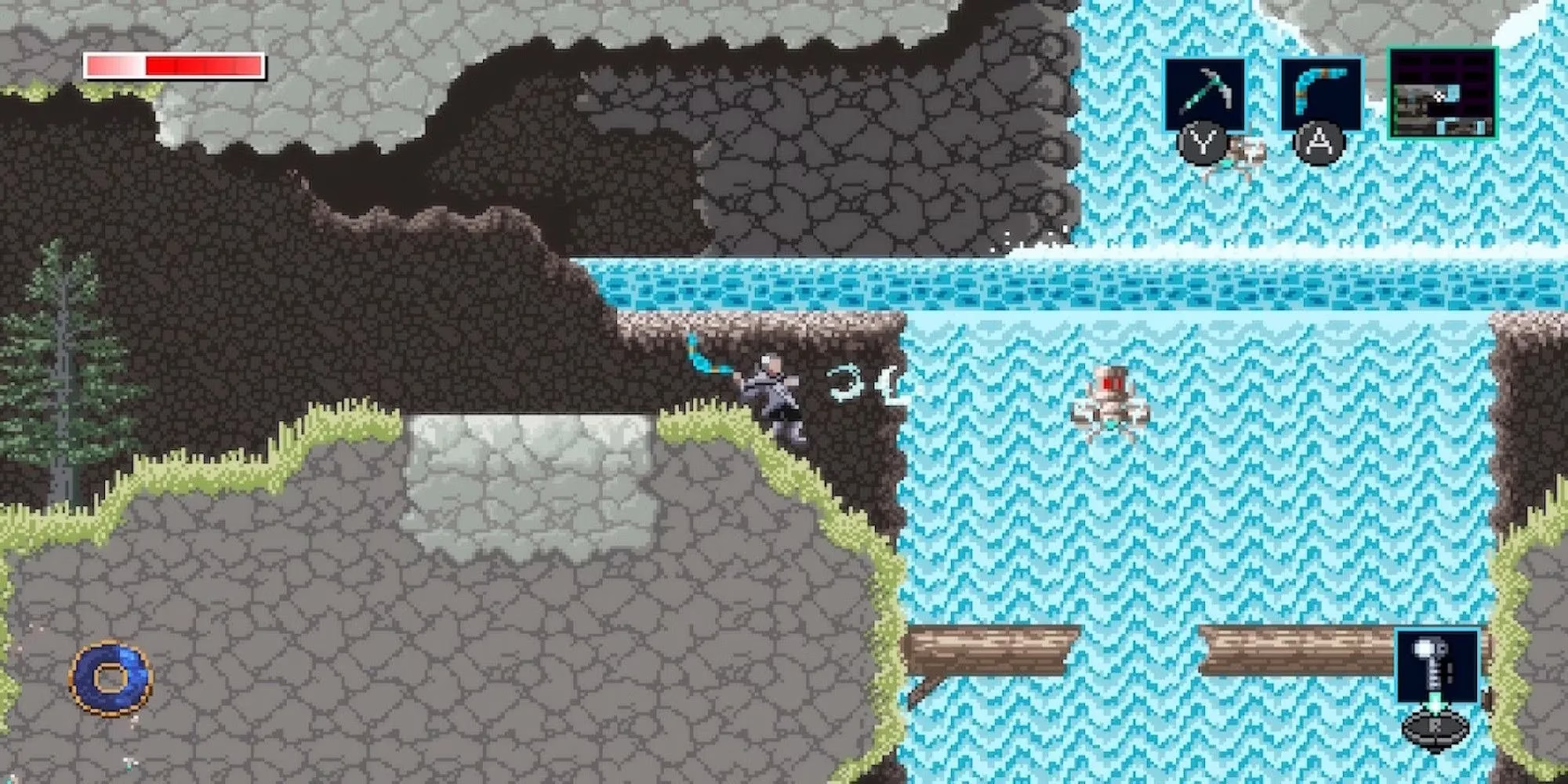
Axiom Verge 2’s damage meters behave like polite volume knobs. One knob controls how much pain the hero dishes out; the other controls how much pain the hero receives. A player can slide the enemy damage down to zero, effectively neutering every attack in the game. The hero could sip tea while enemies flail harmlessly. That’s not just accessible—that’s a vacation with a map.
Dodgeball Academia
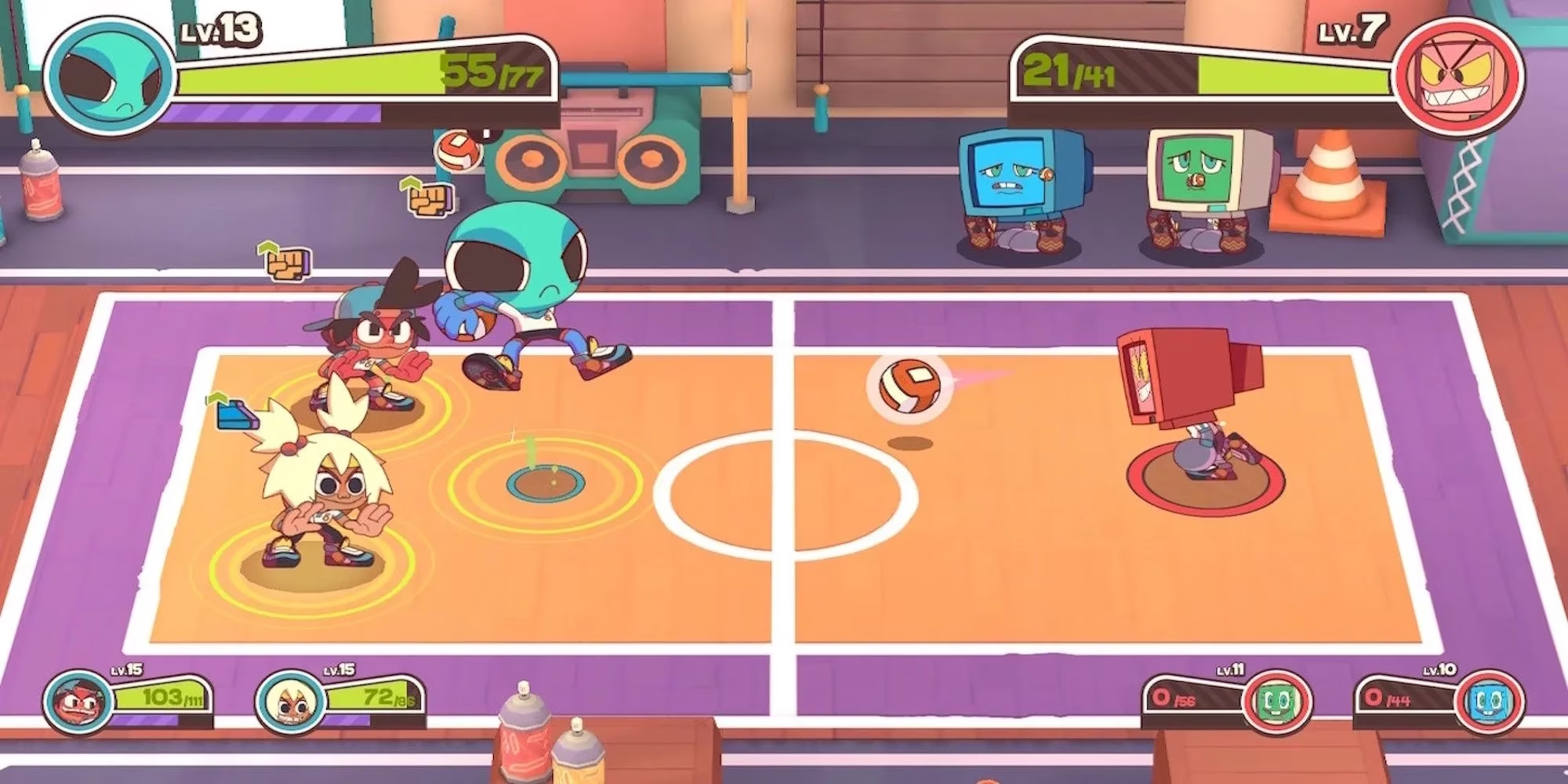
Dodgeball Academia turns damage into a slider that runs from zero to four hundred percent. At zero, balls bounce off like foam. At four hundred, one dodgeball might as well be a meteor. Because there are no traditional difficulty settings, the game basically asks: “How spicy do you want your sports RPG?” It’s an outrageous degree of freedom, and it works beautifully for anyone just there for the gym-class drama.
Psychonauts 2
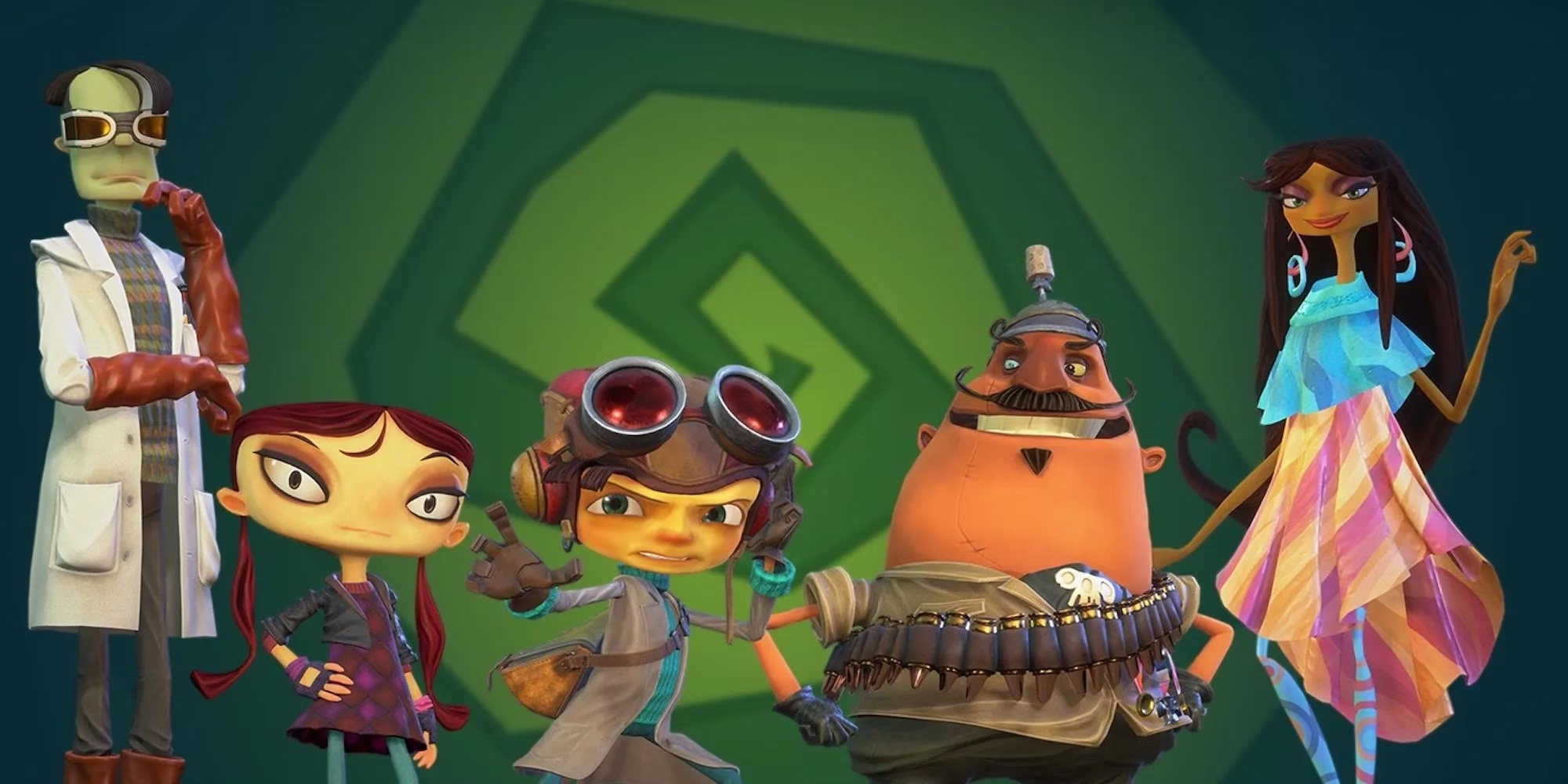
Psychonauts 2 knows that fall damage is a nemesis nobody asked for. Its menu allows players to turn off fall damage, boost Raz’s combat powers with Narrative Combat, and even flip on invincibility. Battles still happen, but Raz becomes less a fragile psychic and more a mental battering ram in a circus. That’s the kind of hospitality more platformers should borrow.
Ratchet & Clank: Rift Apart
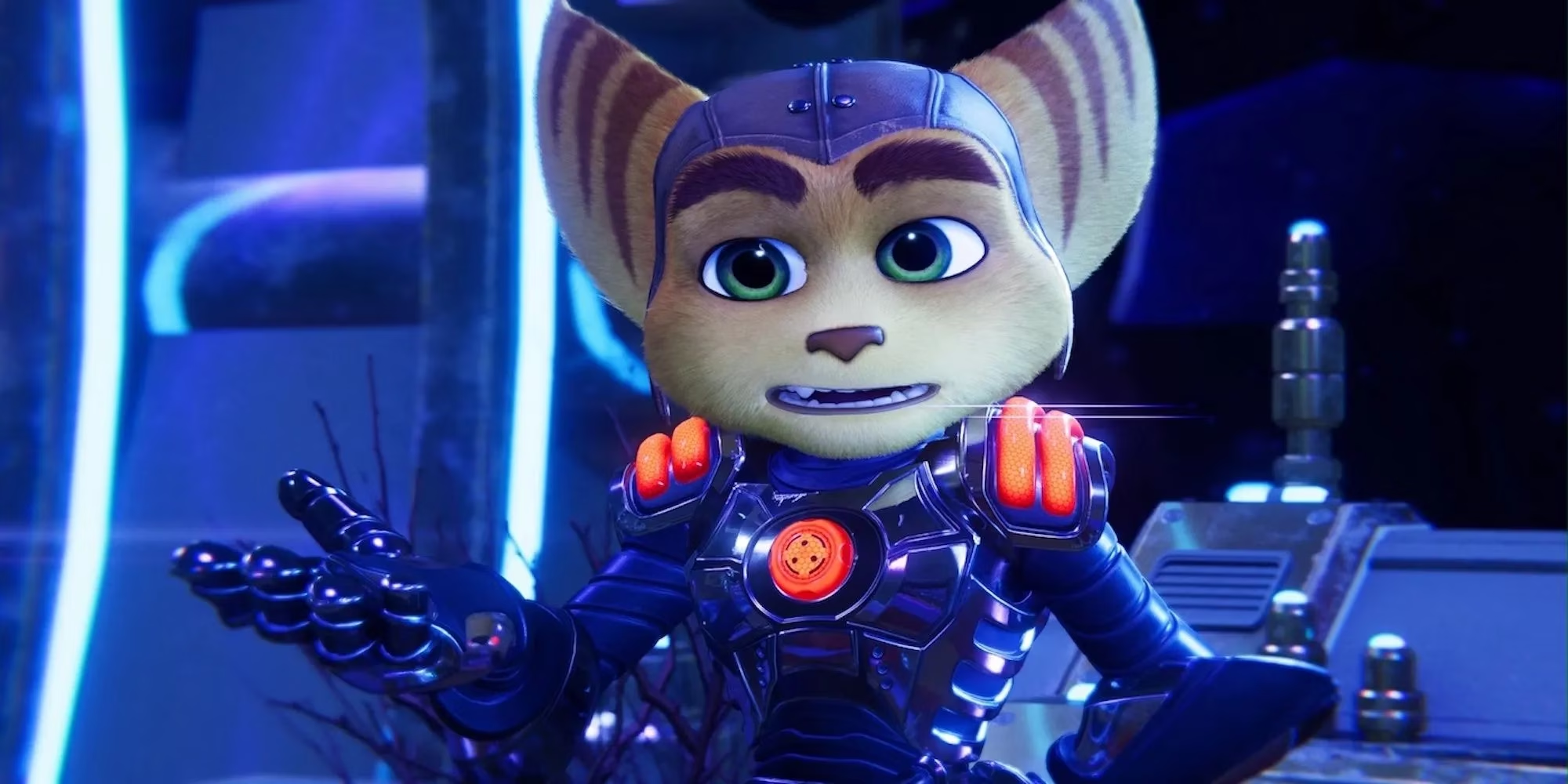
Ratchet & Clank: Rift Apart arrives with a suitcase full of shaders and assist options. The Rookie Explorer difficulty prevents death in combat—though the game kindly warns that ledges still exist and gravity remains undefeated. An off-screen ledge guard offers a safety net for platforming mishaps. It’s not perfect, but more help is always better when you are bouncing between dimensions.
Flynn: Son of Crimson
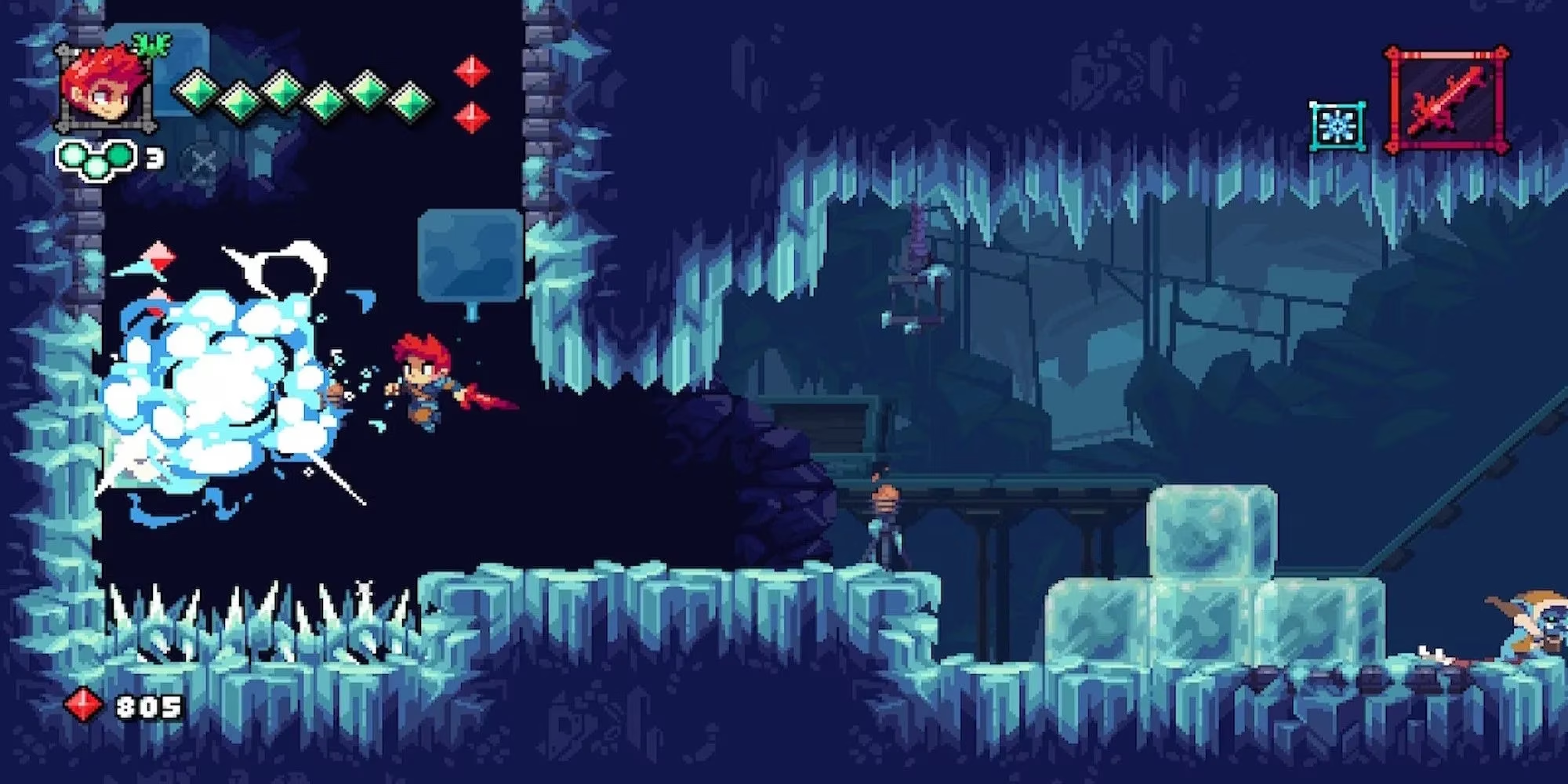
Flynn: Son of Crimson is a small indie platformer with a big heart and a bigger “turn off damage” switch. Easy, normal, and hard cover the basics. But if easy still feels like a trial by fire, the menu can simply remove damage altogether. Falling into a pit is still bad news, because platformers love their cliffs.
Skul: The Hero Slayer
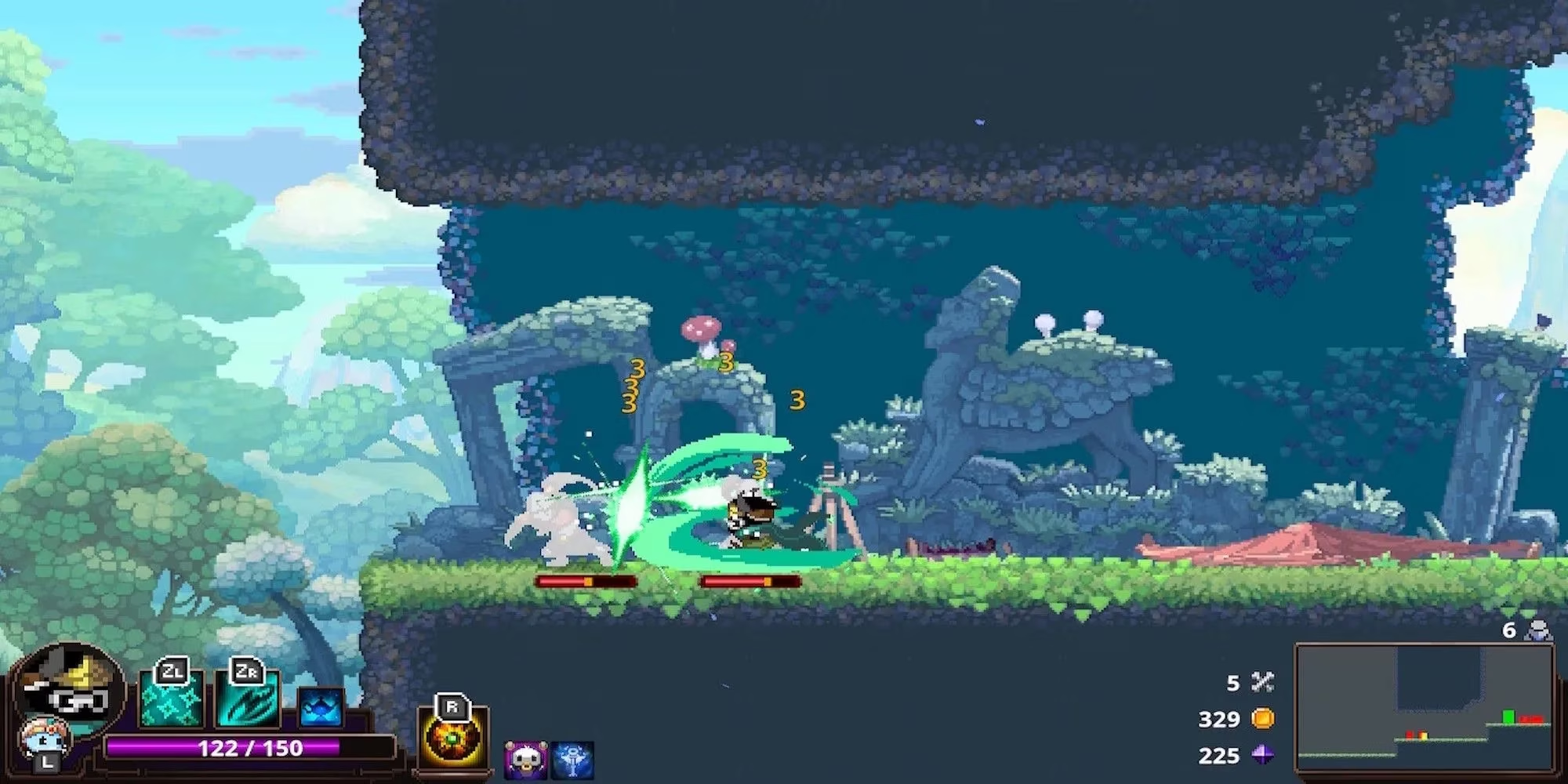
Skul: The Hero Slayer is a brutal roguelike that would normally laugh at the concept of mercy. Yet its Rookie Mode increases defense by 50% and stacks with other boons. It’s a permanent cushion unless the player switches it off. Perfect for skeleton enthusiasts who want fewer bones broken.
Unsighted
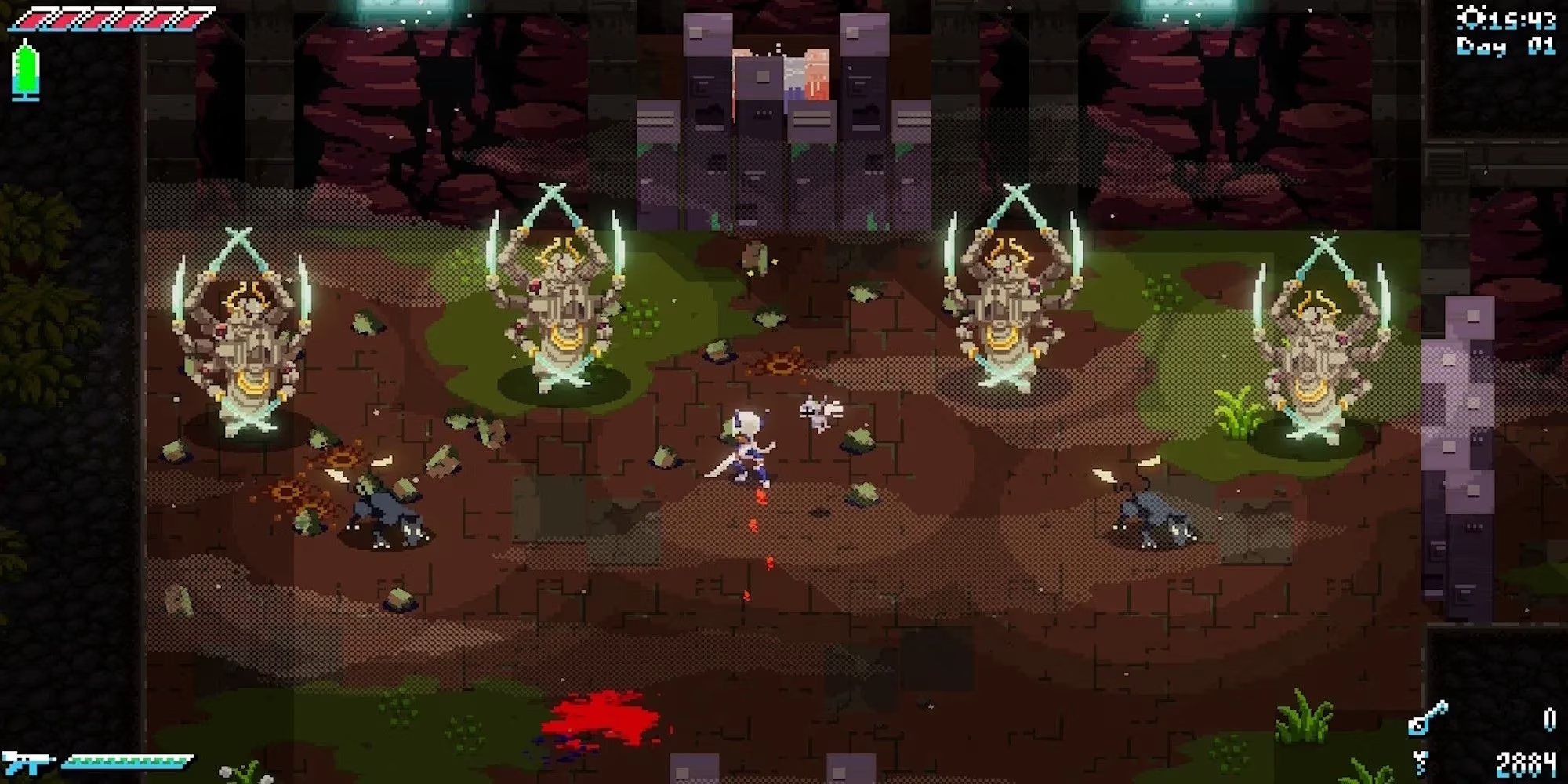
Unsighted wraps a generous Explorer Mode around its top-down action RPG. The real-time decay of android bodies can be slowed until it’s almost nonexistent. Combat can be made forgiving, invincibility is available, and stamina gets a boost. Even better, co-op invites a friend to share the chaos. It’s like the game gives every robot a retirement plan and a pillow.
These ten titles show that accessibility isn’t about deleting challenge—it’s about letting players choose what kind of adventure they want. Some wanted boss fights on mute, some wanted the plot served hot, and others just wanted to enjoy a cartoony world without turning their controller into a stress ball.
By 2026, the lesson should be obvious: menus packed with accessibility options are not a cheat code. They’re an invitation. More games should RSVP.