
How Arcane Turned League of Legends Into Netflix’s Next Grand Universe
Arcane proves Netflix's League of Legends adaptation is a powerhouse; expanding Runeterra could give Netflix a durable fantasy franchise.
As the streaming landscape becomes more crowded in 2026, Netflix finds itself holding a rare kind of magic. Arcane, the animated series born from the League of Legends universe, did more than attract gamers—it pulled in casual viewers, animation lovers, and award-season attention. The first season was a phenomenon, and the second season, which arrived in late 2024, proved the story had staying power. Let’s be honest: most video game adaptations stumble out of the gate. Arcane sprinted.
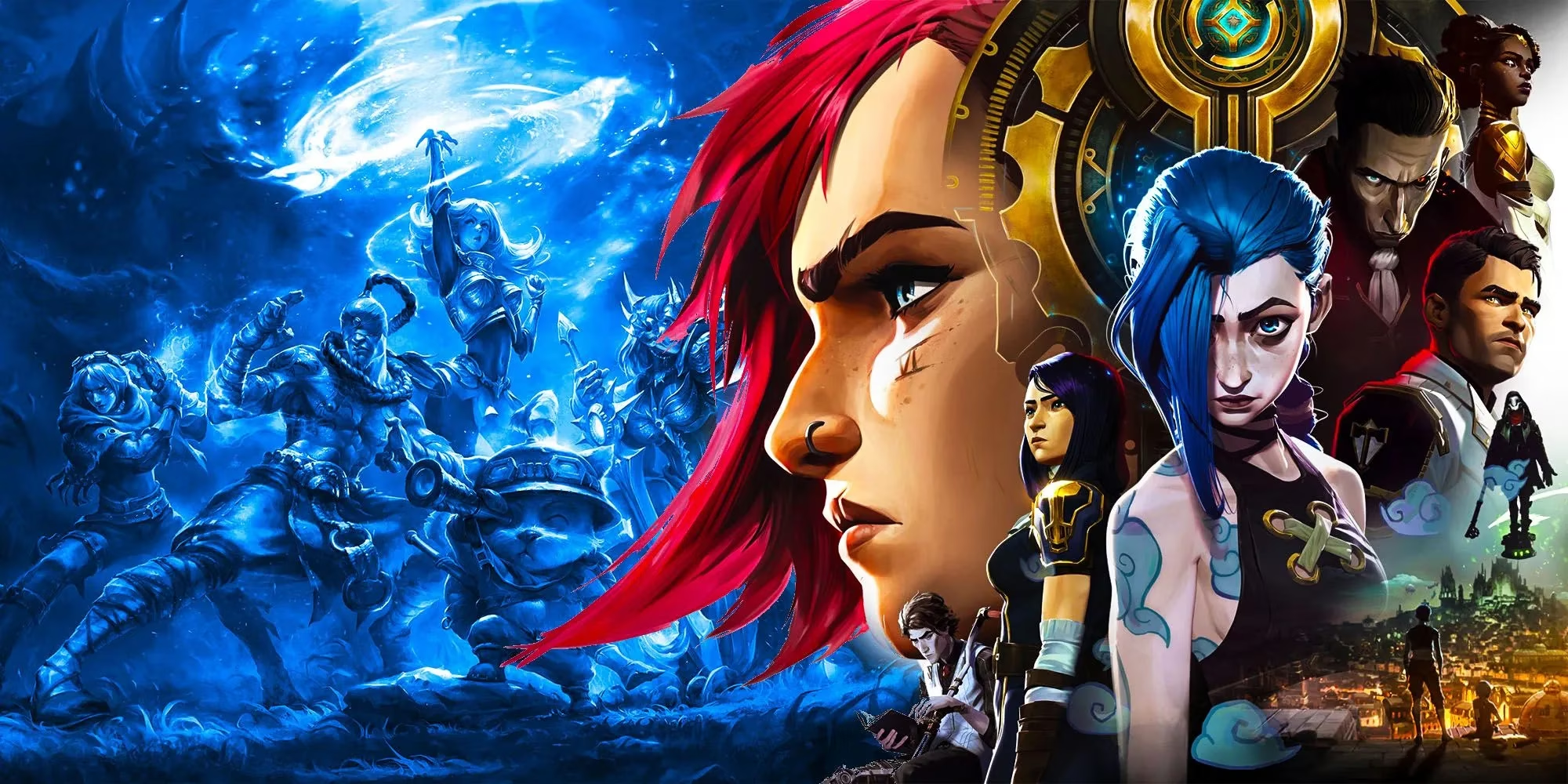
The world of Runeterra was never small. With more than 150 champions and regions spanning Piltover, Zaun, Noxus, Ionia, Demacia, and beyond, the source material feels more like a library than a single game. Arcane used only a handful of those champions in its first season, leaving an enormous bench of stories waiting to be told. The series focused on sisters Vi and Jinx, and then slowly peeled back the layers of a city on the edge of revolution. The animation style—hand-painted, textured, almost breathing—stood apart from anything else on streaming. That distinct look gave Netflix an identity in animation that no other platform could easily copy.
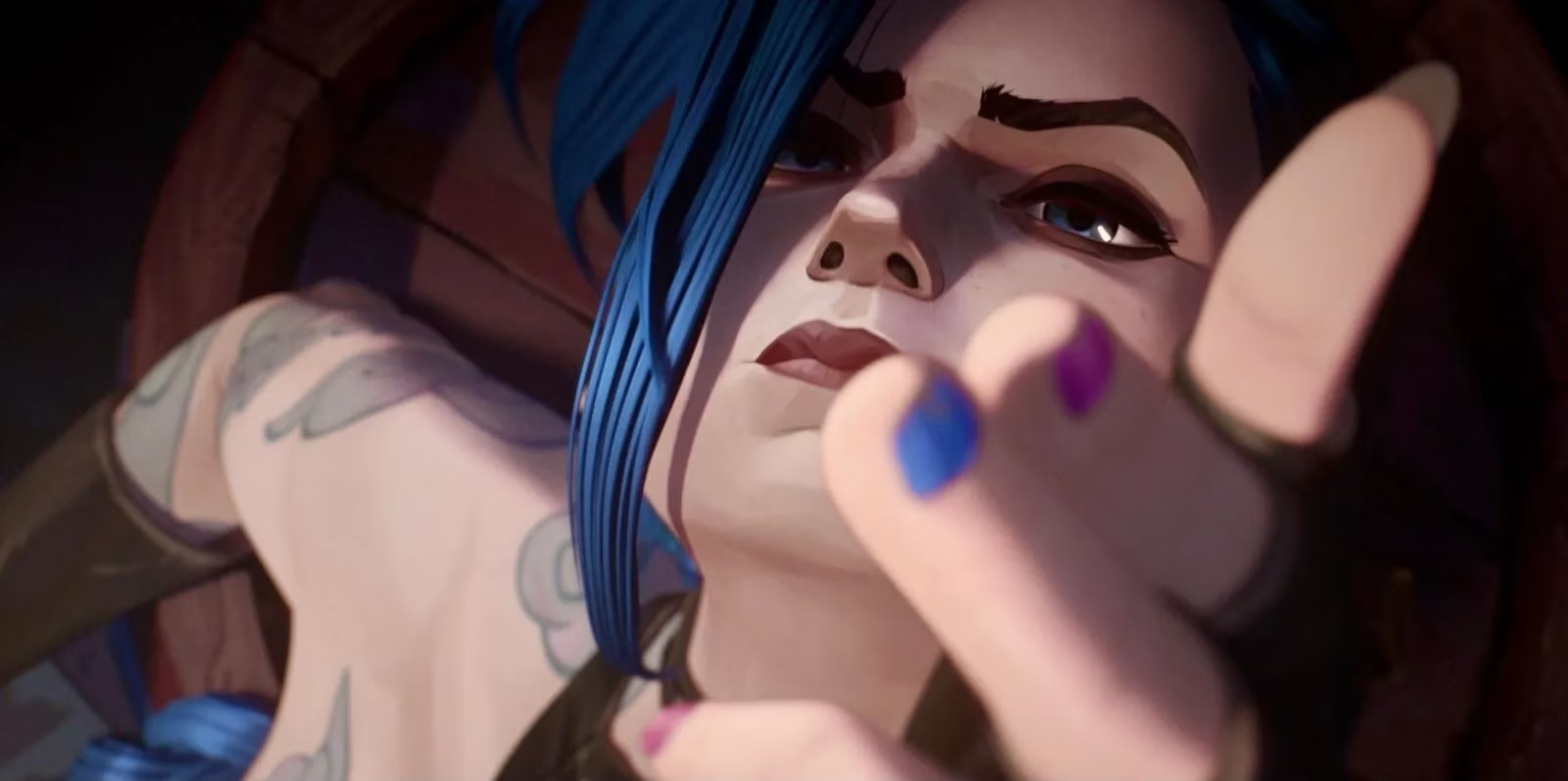
A Universe Waiting to Be Unlocked 🗝️
The success of Arcane was not a fluke. It earned an astonishing rating on IMDb and became one of the most celebrated video game adaptations ever made. The show’s accessibility was the secret ingredient. Viewers did not need to know the difference between a jungler and a mid laner to feel the weight of every explosion, every betrayal, and every quiet moment between characters. That accessibility is exactly why Netflix should keep investing in the League of Legends universe. The game’s esports scene already brings in millions of viewers each year; the series simply translated that built-in passion into long-form storytelling.
Riot Games has spent years building lore for its champions. Some are tragic, some are comedic, and some carry the kind of epic backstory that could fuel entire seasons. The writing is on the wall: if Netflix treats Runeterra like a long-term cinematic universe, it could have a steady pipeline of original stories for years. The platform already experimented with video game-adjacent content, from interactive specials to game rentals, so leaning further into the League of Legends brand feels like a natural next step.
The Streaming Wars Demand a Flagship Franchise ⚔️
Disney+ has Star Wars and Marvel. Max has DC and Game of Thrones. Prime Video has The Lord of the Rings and Fallout. Netflix, despite its massive subscriber base, has often been criticized for lacking a durable fantasy universe it can return to again and again. Arcane changed that conversation.
| Platform | Flagship Universe | Audience Pull |
|---|---|---|
| Netflix | Runeterra / League of Legends | Global, growing |
| Disney+ | Star Wars, Marvel | Established, massive |
| Max | DC, Game of Thrones | Loyal, wide |
| Prime Video | The Lord of the Rings, Fallout | Strong, expanding |
The table above shows a simple truth: every major streamer wants a universe. Netflix already has one—it just needs to treat it that way. The company’s earlier Marvel shows proved that even uneven superhero content could drive attention. But Arcane is not uneven. It is polished, emotionally sharp, and critically adored. The ball is in Netflix’s court, and dropping it now would be a rare unforced error.
Why the Formula Works 🎬
The secret behind Arcane goes beyond nostalgia. The series took the time to build character first. Vi’s protective anger, Jinx’s fractured desperation, and Caitlyn’s quiet resolve were all given room to grow. The action sequences served the emotional beats rather than replacing them. That rare balance is what separates Arcane from lighter animated tie-ins. It is also why the show works for people who have never played a single match of League of Legends.
The animation itself deserves credit. The collaboration between Riot Games and Fortiche Production created a visual language that feels painterly and alive. It does not look like a typical anime or a Western cartoon. It looks like Arcane, and that identity is valuable. In a streaming world full of interchangeable content, having a signature look can be the difference between being remembered and being skipped.
What 2026 and Beyond Could Hold 🔮
The second season closed the Piltover-Zaun chapter with emotional weight, but the wider Runeterra map remains wide open. Regions like Noxus, Ionia, and Demacia each carry distinct tones—political intrigue, spiritual mysticism, and knightly ambition. Future series could rotate between these regions the way anthology shows rotate casts, while still rewarding viewers who follow the larger narrative. Netflix could release episodes in weekly batches, building the same kind of conversation that made Arcane a cultural event.
The lesson from the past few years is clear: audiences are hungry for fantasy that respects their intelligence. Arcane delivered that in 2021 and again in 2024. As 2026 unfolds, the smartest move for Netflix is not to chase someone else’s franchise. It is to double down on the one already glowing in its own backyard. The world of Runeterra is too rich, too beautiful, and too popular to leave on the shelf.